FREE DOT COMPLIANCE & FLEET SAFETY TRAINING VIDEOS
Our free training videos provide drivers, supervisors, and safety managers with the knowledge and skills needed to operate safely, stay compliant, and reduce risk across the workplace and fleet. Where else will you learn FMCSA compliance, understand what the DOT regulations say, and how to build a safety team from scratch?
These videos will answer questions, such as “What do I need to start a trucking company?“, “How do I prepare for a DOT Audit“, and “How do I improve my FMCSA SMS Score?” – so, sit back, relax, and enjoy the over videos.
Ask about our DOT Compliance Programs
Our DOT Compliance Programs ensure your compliance is your top priority and keeps your business running, reduces fines, qualifies drivers, etc.
FEATURED VIDEO
10 Most Common DQF Violations And How to Avoid Them
Every year, DOT auditors uncover thousands of violations related to Driver Qualification Files. These mistakes can trigger hefty fines, audit failures, and more. This video breaks down the 10 most frequent violations in DQFs and provide tips to avoid them.
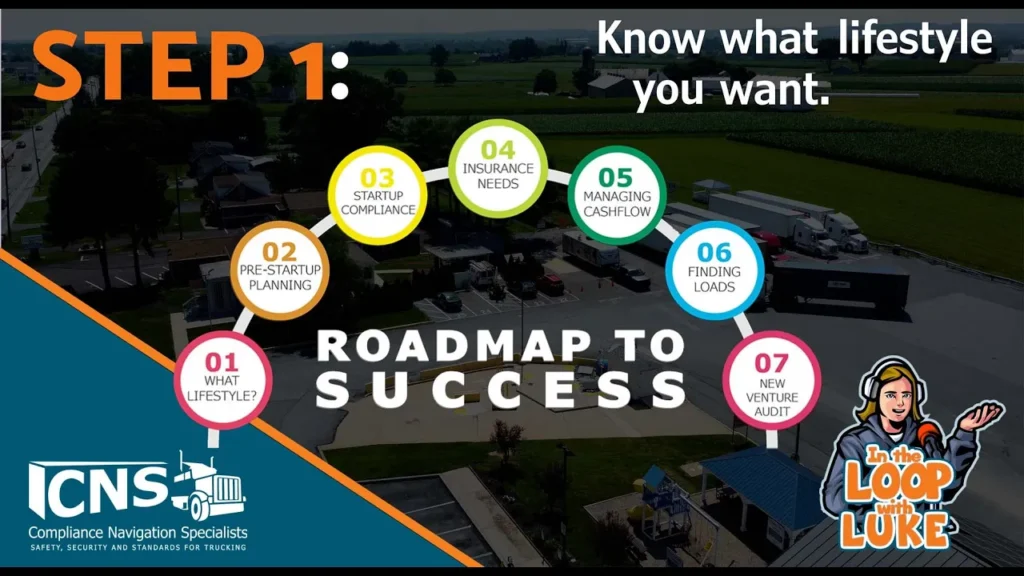
Starting a trucking company is exciting — but it can also feel overwhelming. From business planning and DOT compliance to insurance, cashflow, finding freight, and surviving your first audit, there are countless challenges that can make or break a new trucking business. That’s why CNS created the 7 Step Trucking Start-up Roadmap series to help owner-operators and new carriers build a strong foundation for long-term success.
Luke Kibby introduces the realities of starting and running a trucking company, including the lifestyle changes, commitment, and opportunities that come with becoming an owner-operator or fleet owner.
Discover why proper planning is critical to your success. Learn about startup costs, business planning, budgeting, location considerations, and preparing for the financial realities of operating a trucking business.
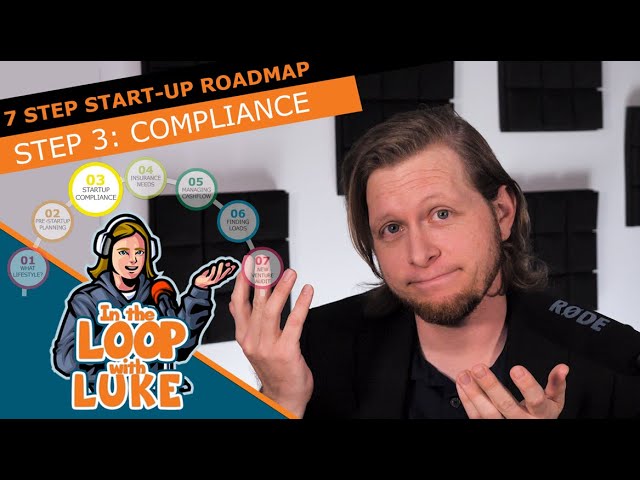
Understand the three major compliance categories every new carrier must navigate: business compliance, licensing compliance, and DOT regulatory compliance.
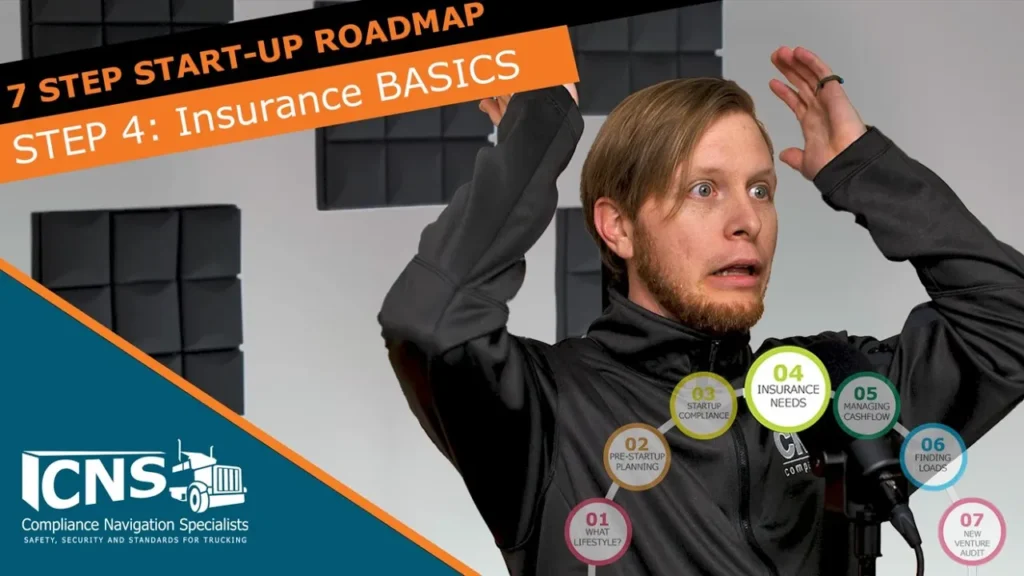
Insurance is one of the largest expenses for new trucking companies. Learn what coverages you need, how rates are determined, and how to build a strong safety profile to help lower future premiums.
Cashflow can determine whether your trucking company survives or fails. Learn how to improve cashflow, control expenses, manage revenue cycles, and build financial stability in your business.
Learn how to search for freight, negotiate rates with brokers, create carrier packets, secure direct customers, and even pursue government contracting opportunities.
Every new interstate carrier must complete a New Entrant Safety Audit. Learn what auditors look for, what records you need, and how to avoid violations that could put your authority at risk.
Whether you’re a new owner-operator, startup carrier, safety manager, or growing fleet owner, understanding DOT compliance is critical to protecting your business, reducing risk, maintaining good CSA scores, and avoiding costly violations or audits.
In this series, we break down complex FMCSA regulations into practical, easy-to-understand topics designed specifically for trucking companies. From hours-of-service compliance to DOT audits, CSA scores, drug and alcohol testing requirements, accident preventability, and safety management systems — we cover the essential compliance topics every carrier needs to know.
In this discussion, trucking compliance expert Jared breaks down why safety scores matter, how the FMCSA evaluates carriers, and why proactive compliance management is essential for both small owner-operators and large fleets.
If you are honest with yourselves, you know there are management mistakes within your trucking company or areas that could be managed better. While this hasn’t led to DOT violations and fines, you know it is just a matter of time. The thing is… if you don’t examine your failures, nothing will change. Well, I am here to answer your questions. Let’s get In the Loop with Luke and discuss five steps to find issues in your fleet before the DOT does.
In this video, we explain how trucking companies can challenge certain crashes, how preventability determinations work, and why properly managing accident documentation is critical for protecting your CSA scores, insurance rates, and business reputation.
Is your fleet ready for a DOT audit? There are certain things that can trigger a DOT Audit and there are also strategies that you can follow to prepare and avoid getting FMCSA Violations. Recent reports reveal that many trucking companies are unprepared which can leave you with costly fines and operational disruptions.
You won’t believe what the FMCSA is considering! After 14 years, which many of you didn’t even have your CDL yet, FMCSA wants new carriers to know DOT regulations! Wait what? Maybe this is a good idea! Let’s discuss.
For many new or small fleets, a roadside inspection can feel stressful. You’re trying to build a clean safety record—and then the inspector says, ‘I’ll just give you a warning instead of a citation.’ Sounds like a relief, right? No fine, no court date… problem solved? Not exactly. Let’s get In the Loop with Luke and discuss why a ‘friendly warning’ can sometimes hurt your fleet more than a citation.
Driver Qualification Files (DQFs) are one of the most important — and most misunderstood — compliance requirements in the trucking industry. Whether you’re an owner-operator, safety manager, or fleet owner, maintaining accurate and compliant driver files is essential for passing DOT audits, protecting your CSA scores, reducing liability, and keeping your trucking company operating legally and safely.
In this Driver Qualification File video series, CNS breaks down everything trucking companies need to know about DQF compliance under FMCSA regulations. From required documents and recordkeeping timelines to common audit violations and best practices, these videos are designed to help carriers build stronger compliance programs and avoid costly mistakes.

Ensuring compliance with federal regulations is crucial for motor carriers operating commercial motor vehicles (CMVs). But too often companies receive violations during a DOT audit for the basics of driver file documentation. Every year, government auditors find hundreds of violations when reviewing DQ files for compliance. A well-organized DQF not only helps in adhering to legal requirements but also enhances your company’s safety and operational efficiency. This guide provides a detailed checklist to help you complete and maintain each driver qualification file effectively.
Managing a fleet and staying DOT compliant can be challenging, but passing a DOT audit doesn’t have to be! In this video, we’re sharing the best tips for auditing your Driver Qualification Files (DQF) to avoid violations and fines. From understanding DOT requirements to creating checklists, verifying employment history, and using digital tools, we cover everything you need to know to keep your files organized and ready for any audit.
Every year, DOT auditors uncover thousands of violations related to Driver Qualification Files (DQFs). For many carriers, these mistakes can trigger hefty fines, audit failures, or worse—a poor safety rating that puts contracts and insurance rates at risk. Whether you manage a small fleet or a multi-state operation, understanding the most common DQF violations is key to staying compliant and audit-ready. In this we’ll, we’ll break down the 10 most frequent violations found in driver files and provide expert tips to help you avoid them.
With federal and state crackdowns accelerating through August–September 2025, fleets face fines, delivery delays, audit exposure, and stranded freight if drivers can’t meet the English standard. Here is everything you need to know about the English Language Proficiency Rules for Trucking Fleets.
This Drug & Alcohol Compliance video series was created to help trucking companies, owner-operators, supervisors, and safety managers better understand DOT drug and alcohol testing regulations and how they impact workplace safety, FMCSA compliance, and daily trucking operations.
Navigating DOT drug and alcohol requirements can feel overwhelming, especially with constantly evolving regulations, FMCSA Clearinghouse requirements, random testing programs, return-to-duty procedures, and audit expectations. That’s why CNS developed this educational series — to simplify complex compliance topics and provide practical guidance that helps carriers stay compliant and protect their businesses.
Dr. Bailey also explains how CNS Occupational Medicine focuses on making the process efficient, professional, and driver-friendly while maintaining high medical and compliance standards.
If your company falls under Department of Transportation (DOT) regulations, understanding what a DER does—and why it matters—is essential. In today’s video, we’re diving into the critical role of the Designated Employer Representative (DER) and why this position is so important for maintaining workplace safety and DOT compliance.
The wait is almost over! That’s right, saliva drug testing is nearly here for employees held to the Department of Transportation (DOT) Part 40 regulations. But why is it taking so long? Let’s get In the Loop with Luke and find out!
CNS Service Videos
WHAT IS A SAFETY RATING UPGRADE?
A safety rating upgrade is a process a carrier takes to request their safety rating be upgraded from a conditional or unsatisfactory rating.
PSM DOT ESSENTIAL PROGRAM
Our PSM DOT Essentials Program is designed to keep motor carriers compliant with the basic DOT regulations that nearly all carriers must follow.
WHAT IS Proactive Safety Management®?
Proactive Safety Management® (PSM) is the basis of our business and simply means that your company is working hard to be safe, compliant, and stay ahead of the FMCSA.
CAN YOU PASS A DOT AUDIT?
Every year you can be subject to an audit performed by the DOT where they might inspect a single aspect of your company or take a comprehensive look at your company’s overall safety and compliance.
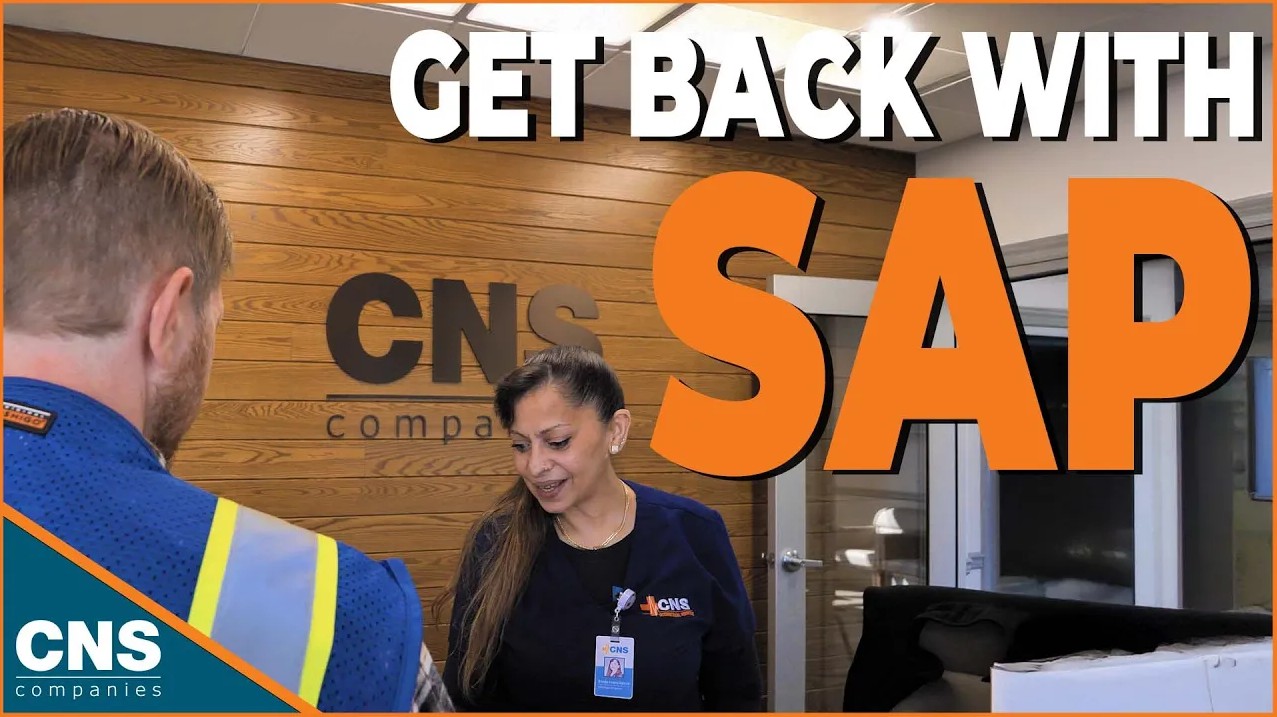
Substance Abuse Professional (SAP) Helping You Get Back On Track
Our SAP Program is customized for each person, split into two major sections: time spent on the return-to-duty process and time to finish the follow-up testing program.
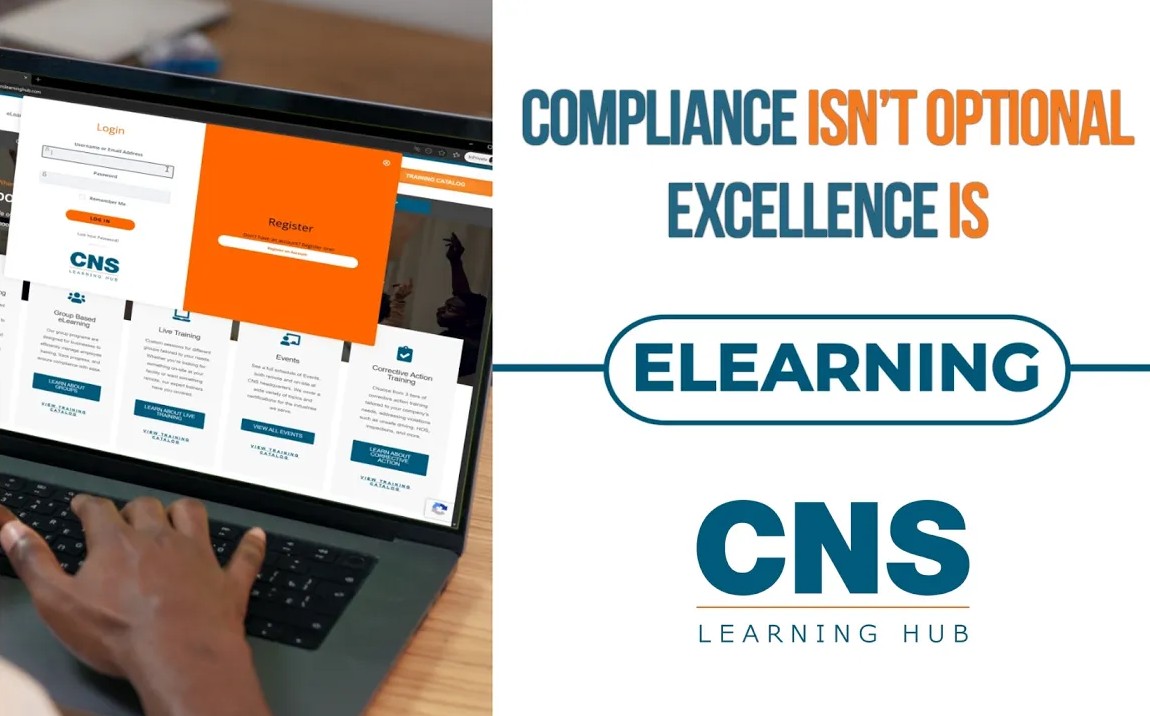
Online Compliance Training | DOT, OSHA, HAZMAT, ELDT & more | CNS Learning Hub
Looking for a better way to complete required training or manage your team’s compliance? CNS Learning Hub offers flexible, online training designed for both individuals and employers across a wide range of industries.
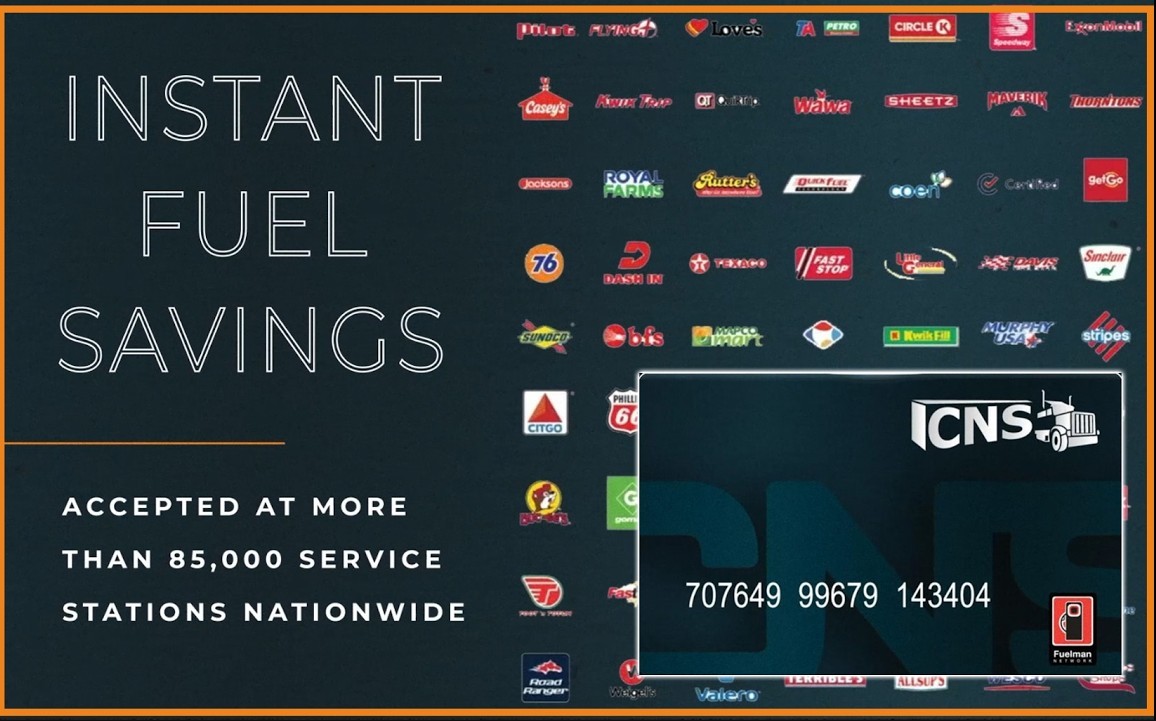
CNS Fuelman Fuel Card
Fuel is one of the biggest expenses for any trucking company. The CNS Fuelman Fuel Card, powered by Guttman Energy, helps fleets reduce costs, simplify fuel management, and gain better visibility into their operations.
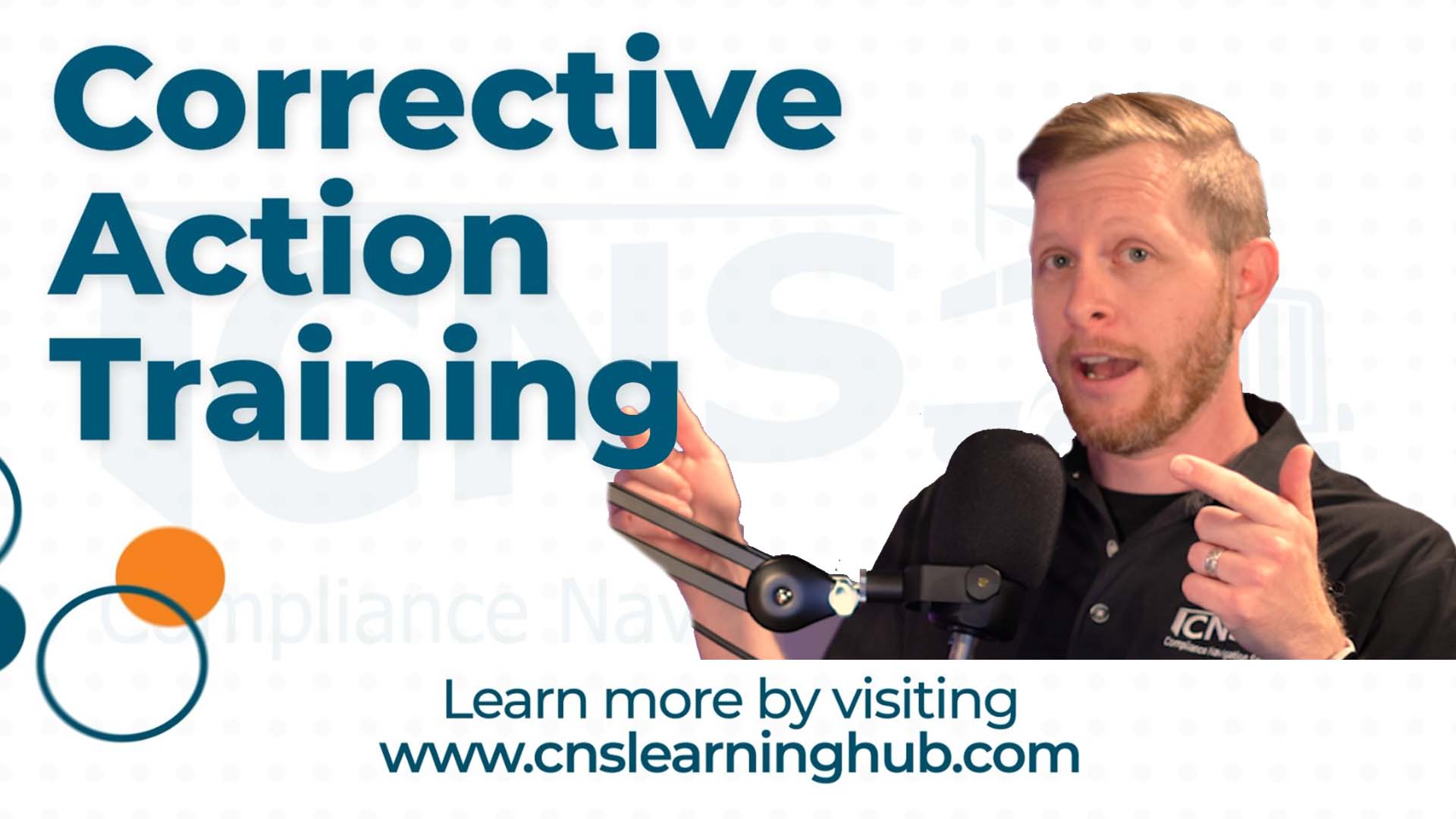
What is CNS Corrective Action Training for Drivers?
As a company with truck drivers, there will always be a time when you need to offer extra training. Our program is offered in 3 tiers, and the level you choose is dependent on your company’s or driver’s needs.
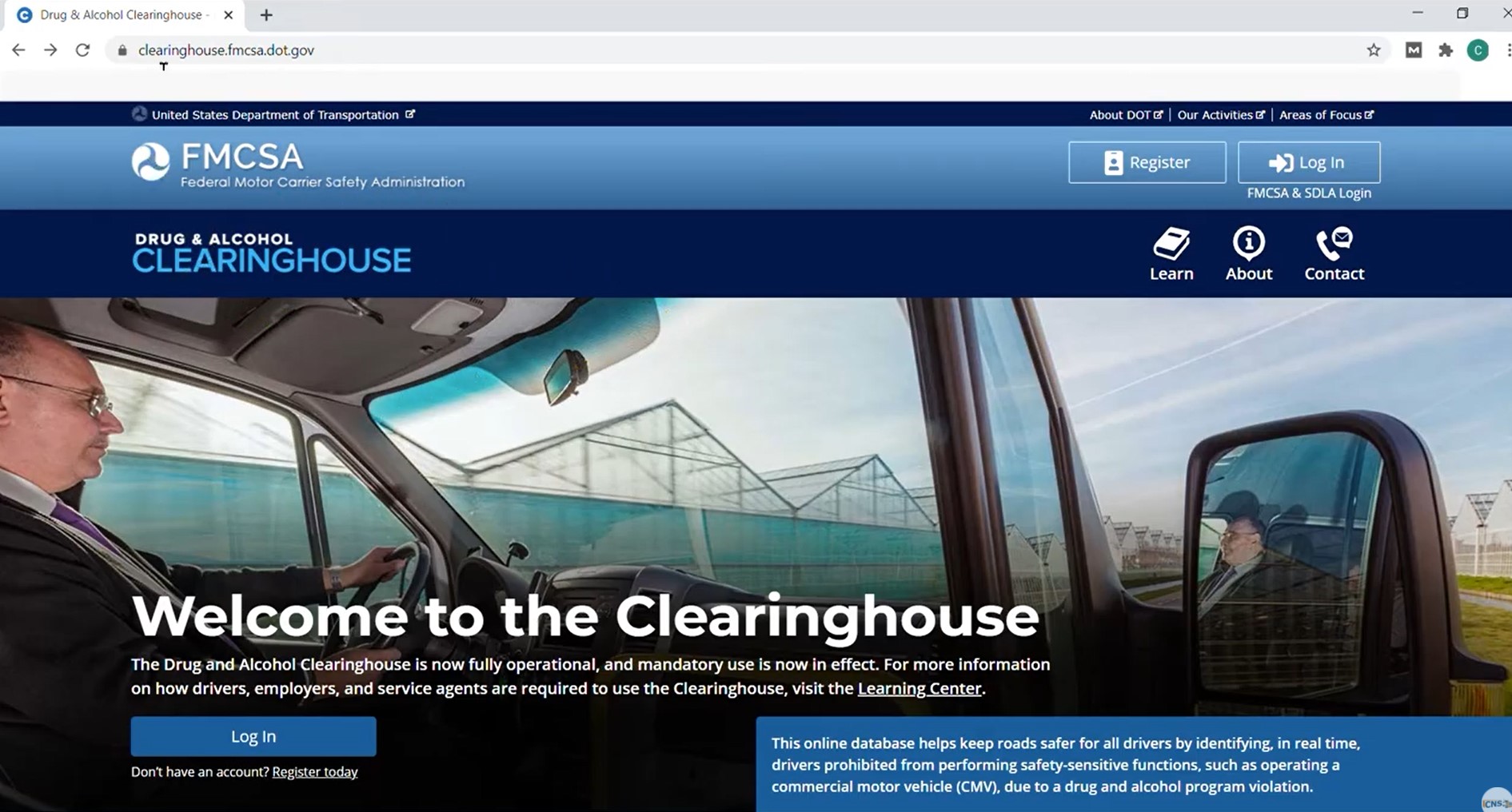
HOW DO YOU REGISTER FOR THE FMCSA CLEARINGHOUSE?
In this video, we walk through the simple step-by-step driver registration process in order to create an FMCSA CDL drug and alcohol Clearinghouse account.
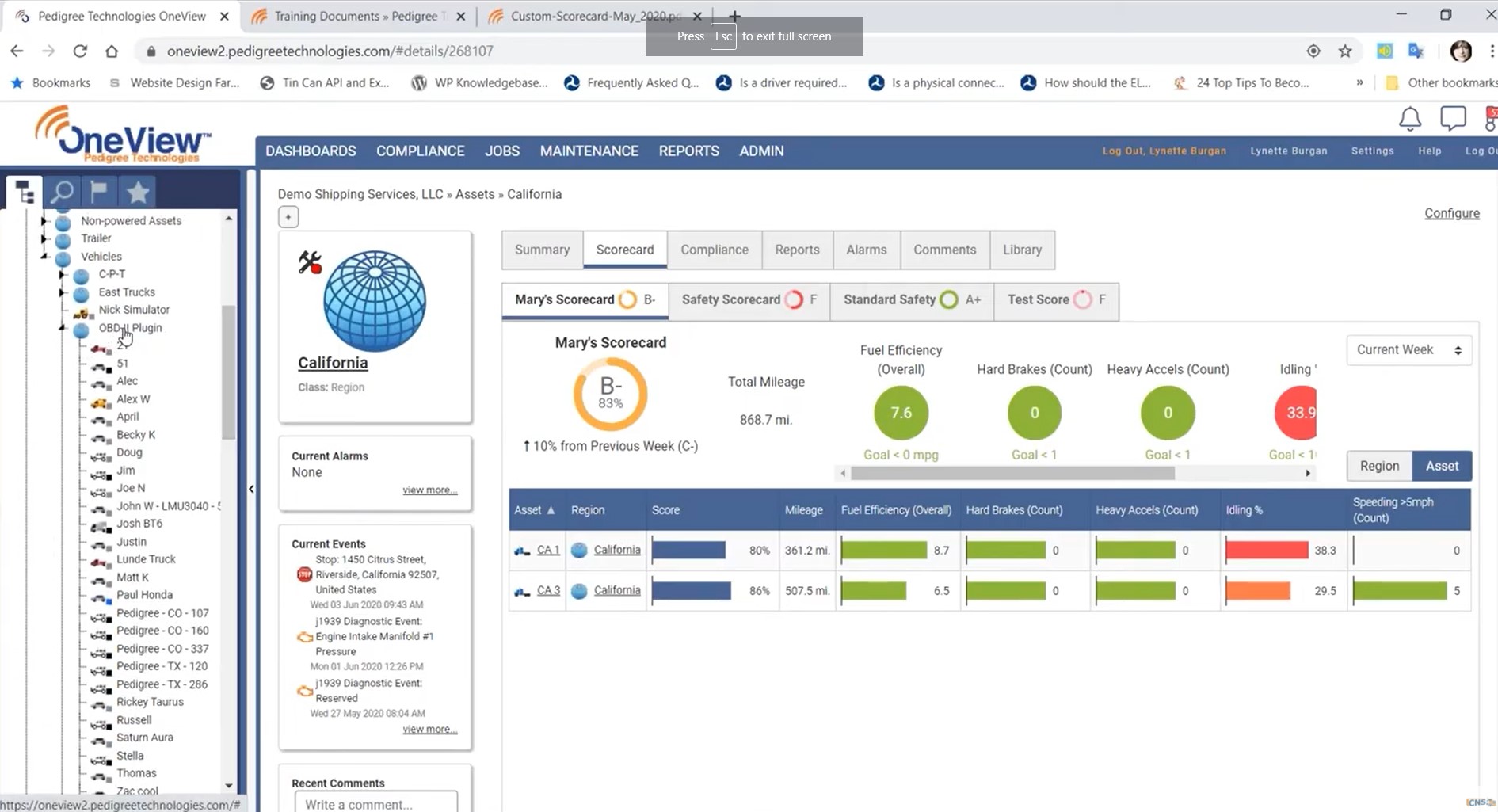
HOW TO USE ELD DATA FOR DRIVER SCORECARDS
ELD or the telematic data from the device that connects to the trucks computer should be formatted to highlight both efficiencies and deficiencies in simple customizable reports and the best data management plan will measure the data over time to show trends and measure results. This is as simple as a Driver Scorecard for your fleet.
CNS Occupational Medicine Is Your Solution
At CNS Occupational Medicine, our dedicated team comprises both business and health professionals. We are committed to delivering comprehensive health and screening services tailored to the specific needs of the construction, transportation, medical, educational, service, and manufacturing sectors throughout the United States.
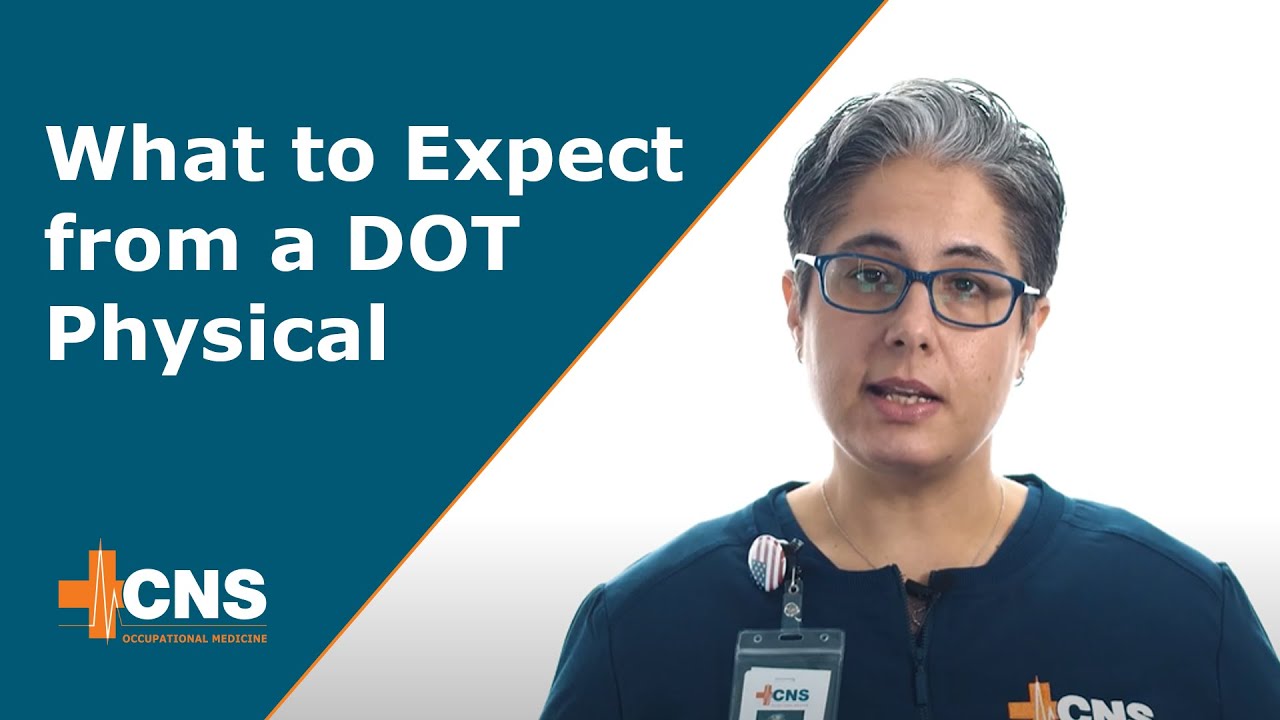
What To Expect During Your DOT Physical
At CNS Occupational Medicine, our dedicated team comprises both business and health professionals. We are committed to delivering comprehensive health and screening services tailored to the specific needs of the construction, transportation, medical, educational, service, and manufacturing sectors throughout the United States.
Resources
Subscribe to our Monthly Newsletter
Receive the latest transportation and trucking industry information about FMCSA and DOT Audits, Regulations, etc.
Ask about our DOT Compliance Programs
Our DOT Compliance Programs ensure your compliance is your top priority and keeps your business running, reduces fines, qualifies drivers, etc.
Only need a few PSM® services?
Check out our Custom PSM® Program
Bundle the services that matter most to your operation
—without paying for each one a la carte.