

Need help with DOT Vehicle Services?

DOT Vehicle Services for Motor Carriers

Keep your trucks compliant, inspection-ready, and on the road.

DOT vehicle services help motor carriers maintain compliant commercial vehicles, manage required records, track preventative maintenance, use ELDs correctly, and reduce the risk of roadside violations, audits, breakdowns, and out-of-service orders.

CNS helps trucking companies manage vehicle maintenance programs, ELD compliance, ELD data, fuel card solutions, dashcam data, and vehicle-related audit preparation.

What are DOT vehicle services?

DOT vehicle services help motor carriers keep commercial motor vehicles safe, properly maintained, documented, and compliant with FMCSA requirements.

These services may include vehicle maintenance recordkeeping, preventative maintenance schedules, annual inspection tracking, DVIR management, ELD setup, ELD log auditing, unidentified driving review, fuel card support, dashcam data management, and audit preparation.

A strong vehicle compliance program helps carriers reduce violations, protect CSA/SMS scores, prevent roadside inspection problems, and avoid costly downtime.

Why does DOT vehicle compliance matter?

DOT vehicle compliance matters because vehicle problems can lead to roadside violations, out-of-service orders, higher CSA/SMS scores, failed audits, insurance concerns, crashes, and expensive breakdowns.

Vehicle compliance is not just about fixing trucks after something breaks. Carriers need a documented system for inspections, repairs, preventative maintenance, annual inspections, ELD records, and follow-up when defects are found.

Common vehicle-related compliance risks include:

Which DOT vehicle service do you need?

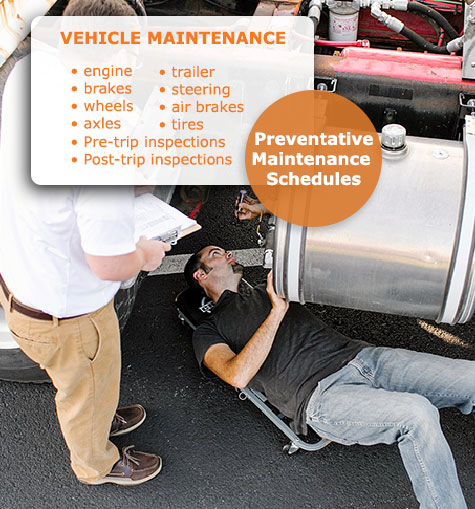
Vehicle maintenance costs can be a huge line item for fleet companies and at times, hard to keep under control. Routine maintenance of your vehicles is a necessity in order to ensure that your biggest assets stay on the road at all times.

Learn more >>>

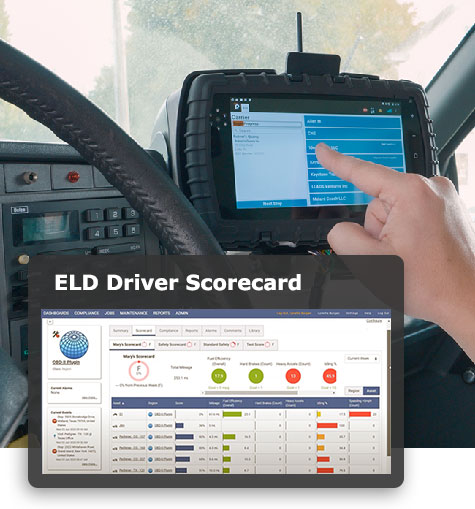
Depending on your business and what you are hauling, you may or may not legally need an ELD. It is a much easier way to track your miles compared to keeping logs.

Learn more >>>

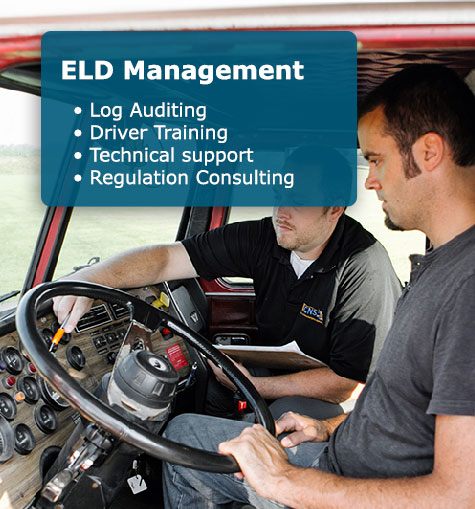
Keeping track of ELD data, teaching drivers how to use ELDs, and troubleshooting issues can be another job in itself. We can help manage all of this for you.

Learn more >>>

Which DOT vehicle service do you need?

Vehicle maintenance costs can be a huge line item for fleet companies and at times, hard to keep under control. Routine maintenance of your vehicles is a necessity in order to ensure that your biggest assets stay on the road at all times.

Learn more >>>

Depending on your business and what you are hauling, you may or may not legally need an ELD. It is a much easier way to track your miles compared to keeping logs.

Learn more >>>

Keeping track of ELD data, teaching drivers how to use ELDs, and troubleshooting issues can be another job in itself. We can help manage all of this for you.

Learn more >>>

How does CNS help with DOT vehicle compliance?

CNS helps carriers build and maintain a vehicle compliance system that keeps trucks road-ready and records audit-ready.

Before problems happen

CNS helps carriers set up proactive systems for maintenance, inspections, ELDs, and recordkeeping.


This may include:


  • Preventative maintenance schedules
  • Annual inspection tracking
  • Vehicle file setup
  • ELD setup and training
  • ELD account review
  • Fuel card support
  • Dashcam data processes
  • Maintenance documentation templates
  • Audit-readiness reviews

While vehicles are operating

CNS helps carriers monitor compliance activity, identify gaps, and keep required records organized.


This may include:


  • Tracking maintenance due dates
  • Reviewing inspection and repair records
  • Monitoring ELD data
  • Reviewing unidentified driving records
  • Supporting driver log corrections
  • Helping drivers and managers troubleshoot ELD issues
  • Organizing vehicle records for audits or inspections

After a violation, breakdown, or audit notice

CNS helps carriers understand what went wrong, gather supporting records, document corrective action, and reduce repeat violations.


This may include:


  • Maintenance file cleanup
  • Corrective action documentation
  • Vehicle BASIC improvement support
  • ELD data retrieval
  • DataQ support for incorrect violations
  • Safety rating upgrade support
  • Mock DOT audit preparation

Getting a fuel card means you save money on every fill up, simpler and more streamlined IFTA Reporting, and more!

DOT Compliance and Licensing Services

If you are ready to get started or would just like more information on how you can start being more proactive with your compliance, please fill out the form below. We are here to help and answer any questions.

FAQs on Vehicle Safety Management

DOT vehicle services ensure commercial vehicles meet federal safety and recordkeeping requirements enforced by the Federal Motor Carrier Safety Administration. Vehicle compliance is just as critical as driver compliance and directly impacts CSA scores, roadside inspections, audits, and out-of-service orders.

Motor carriers must maintain records showing systematic inspection, repair, and maintenance of each vehicle, including annual inspections, DVIRs, repair documentation, and evidence that out-of-service defects were corrected before the vehicle returned to service.

The most frequently cited vehicle violations include inoperative lights, tire defects, brake issues, steering and suspension problems, fluid leaks, and missing or expired annual inspections. Many of these issues are visible and trigger roadside inspections.

A Driver Vehicle Inspection Report (DVIR) documents the condition of required vehicle components at the end of a workday. When defects are noted, carriers must keep DVIRs and proof of repair for at least three months.

Preventative maintenance (PM) is a scheduled program designed to identify and fix issues before failures occur. DOT investigators look for evidence of consistent PM schedules, repair follow-through, and documentation, not just emergency fixes after breakdowns.

Preventative maintenance intervals vary based on vehicle use, engine hours, mileage, idle time, and duty cycle. Many fleets service vehicles anywhere from 5,000 to 45,000 miles or 500 to 1,300 engine hours, depending on application severity.

An ELD electronically records drivers’ hours of service (HOS). Most interstate CMV drivers are required to use ELDs unless a specific exemption applies. Using a revoked or non-compliant ELD can result in violations and out-of-service orders.

Carriers must retain ELD records of duty status (RODS), supporting documents, unidentified driving records, and backup copies for six months, even when switching ELD providers or replacing revoked devices.

ELD management ensures devices remain compliant, data is backed up, unidentified driving is resolved, and records can be produced quickly—often within 48 business hours—during DOT audits or investigations.

Vehicle maintenance violations directly impact the Vehicle Maintenance BASIC and can increase CSA percentiles, trigger warning letters, increase insurance premiums, and raise the likelihood of audits and roadside inspections.

Related News for you