
DOT Audit Services

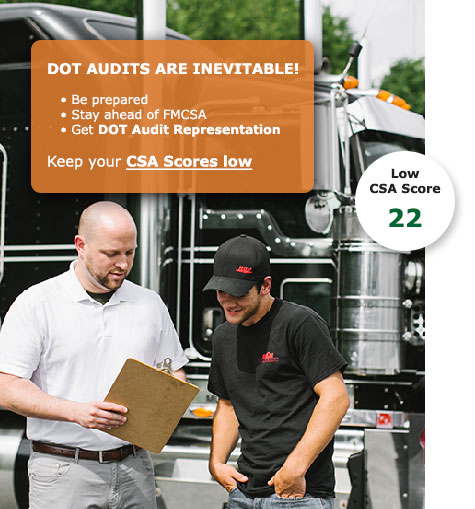
DOT Audits are Inevitable

Are your CSA driver scores bad? Well, you are about to find out!

There is no question that you will go through a DOT Audit, the question is: Will you pass a DOT Audit?

Our DOT Compliance team is available to help with any type of audit, including New Entrant Audits, DOT Compliance Reviews, Focused Reviews, IFTA Audits or IRP Audits.

DOT Audit Services

Trying to stay ahead of an audit? Contact us now

All trucking companies are subject to DOT Audits, which can happen at random or every few years in certain industries.  Regardless of preparation, DOT audits can be time-consuming, and you will want to be diligent and organized prior to the audit.

Learn more >>>

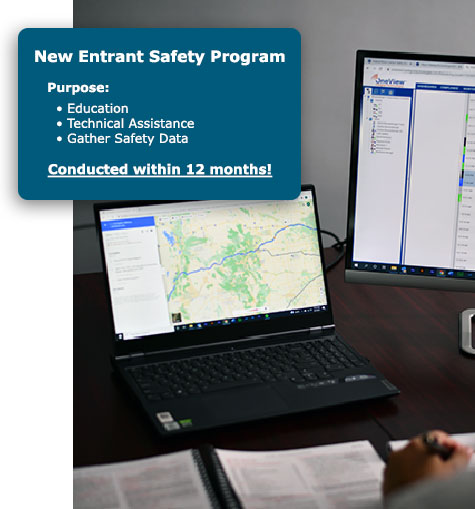
All new interstate carriers are placed into a new entrant safety program where they must demonstrate adequate basic safety management controls. The purpose of this audit is to provide educational and technical assistance to the new entrant. 

Learn more >>>

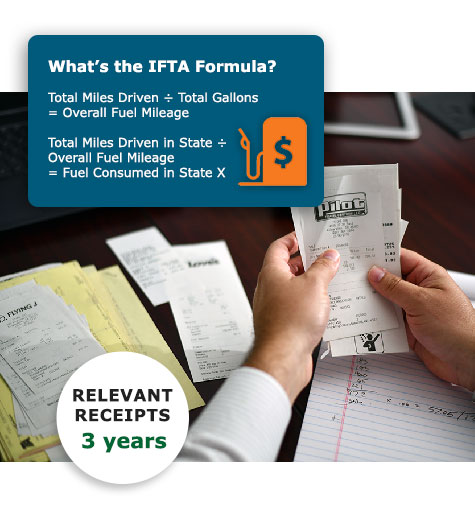
All motor carriers with vehicles that are set up with the International Fuel Tax Agreement are subject to a DOT Audit by the IRS every 5 years including inspection of relative fuel receipts, mileage and trip sheets.

Learn more >>>

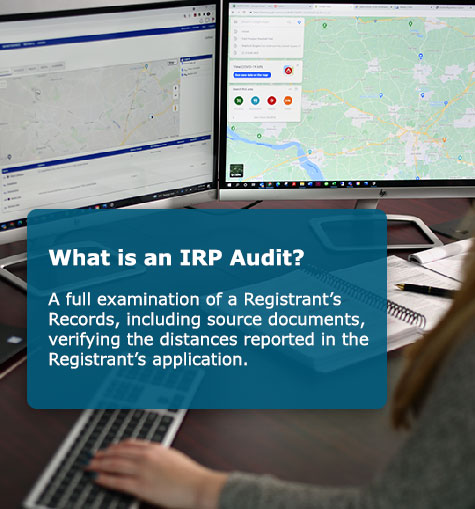
Our DOT Compliance Specialists can perform a mock IRP audit to assess your company, or CNS can represent you during an IRP audit. Either way, CNS Specialists can ease your mind by leading you through the process of an IRP audit.

Learn more >>>

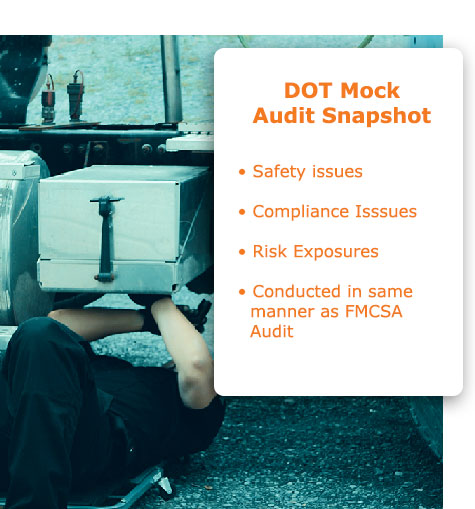
All companies are subject to DOT audits, which is why we offer a DOT Mock Audit Service. This service provides a great snapshot of your company’s current safety, compliance, and risk exposures. Our DOT mock audit will be conducted in the same matter as an FMCSA auditor.

Learn more >>>

All trucking companies are subject to DOT Audits, which can happen at random or every few years in certain industries.  Regardless of preparation, DOT audits can be time-consuming, and you will want to be diligent and organized prior to the audit.

Learn more >>>

All new interstate carriers are placed into a new entrant safety program where they must demonstrate adequate basic safety management controls. The purpose of this audit is to provide educational and technical assistance to the new entrant. 

Learn more >>>

All motor carriers with vehicles that are set up with the International Fuel Tax Agreement are subject to a DOT Audit by the IRS every 5 years including inspection of relative fuel receipts, mileage and trip sheets.

Learn more >>>

Our DOT Compliance Specialists can perform a mock IRP audit to assess your company, or CNS can represent you during an IRP audit. Either way, CNS Specialists can ease your mind by leading you through the process of an IRP audit.

Learn more >>>

All companies are subject to DOT audits, which is why we offer a DOT Mock Audit Service. This service provides a great snapshot of your company’s current safety, compliance, and risk exposures. Our DOT mock audit will be conducted in the same matter as an FMCSA auditor.

Learn more >>>

Frequently Asked Questions (FAQs)

FMCSA will monitor your safety performance and compliance through its Safety Management System (SMS). If you do not improve, they may investigate your company further.

A motor carrier is considered high-risk based on many sources of information, how recent this information is, and more… and the FMCSA wants to understand why.

The FMCSA has three categories of intervention when dealing with a potentially high-risk carrier: Early Contact, Investigation, and Follow-On. 

Learn more: BEST AUDIT GUIDE IN TRUCKING INDUSTRY

BASICs are Behavior Analysis and Safety Improvement Categories (BASICs) and were established because they are strong indicators of future crash risk and exceeding them can put you on FMCSA’s priority lists which can later result in fines and violations.

The seven Behavior Analysis and Safety Improvement Categories are:

  1. Unsafe Driving – Examples: speeding, texting while driving, not wearing seatbelts.
  2. Crash Indicator (not public) – A pattern of reportable crashes.
  3. Hours-of-Service (HOS) Compliance – Examples: driving beyond 11 hours, incomplete RODS.
  4. Vehicle Maintenance – Examples: brake defects, lighting issues, load securement failures.
  5. Controlled Substances/Alcohol – Examples: drug/alcohol use or possession.
  6. Hazardous Materials (HM) Compliance (not public) – Examples: improper placarding or leaking containers.
  7. Driver Fitness – Examples: no valid CDL, medically unqualified drivers.

A Conditional safety rating means FMCSA found safety management controls that need improvement. Even if you can still operate, a conditional rating can impact broker relationships, load opportunities, insurance pricing, and recruiting, because many partners treat it as a higher risk indicator.

Carriers typically have a limited window after receiving the rating letter to submit corrective action and request an upgrade before the rating fully takes effect. Many carriers plan around the common 60-day timeframe referenced for rating changes to become effective, so acting immediately is critical.

CNS will prepare and represent you through an audit. If you already had an audit, we can represent you through a safety rating upgrade and help with associated fines as well.

Specifically, our DOT Compliance team is available to help with any type of audit, including:


Yes. CNS helps carriers identify compliance gaps, correct violations, improve CSA scores, and implement corrective actions designed to reduce out-of-service risk.

DOT auditors are essential for ensuring public safety and maintaining industry standards by enforcing critical transportation regulations. Their rigorous training and mandatory certification process, overseen by the Federal Motor Carrier Safety Administration (FMCSA), are specifically designed to ensure they have the expertise needed to perform their duties fairly and accurately. 

Their training follows a highly structured and mandatory certification process for all personnel who conduct safety audits, investigations, and inspections. This ensures a standardized, methodical approach based on an extensive manual called the Electronic Field Operations Training Manual (eFOTM). 

Yes. You can challenge an FMCSA Notice of Claim (NOC), but you must act quickly and follow strict federal procedures. Most carriers have 30 days from the date of the NOC to respond. Missing this deadline can result in automatic penalties and loss of appeal rights.

An NOC is issued by the Federal Motor Carrier Safety Administration after an investigation or audit identifies alleged violations. Carriers are not required to automatically pay—they have several response options.

A Corrective Action Plan (CAP) is a written plan that explains what problems were found, what actions you took to fix them, and what systems you will implement to prevent repeat violations. A strong CAP includes policies, training, monitoring/auditing steps, and proof documents that match the violations cited in your audit.

Commonly cited problem areas include:

  • Driver Qualification Files: missing annual MVRs, missing driver violation lists, missing annual reviews

  • Hours of Service: missing supporting documents (BOLs, fuel/scale receipts, lodging), inconsistent logs, weak monitoring/corrective actions

  • Drug & Alcohol: missing pre-employment test results, missing reasonable suspicion documentation, incorrect random pool setup

  • Maintenance: incomplete annual inspections, weak DVIR processes, poor repair tracking, and operating equipment with unresolved out-of-service conditions

Only need a few PSM® services?

Check out our Custom PSM® Program

Bundle the services that matter most to your operation
—without paying for each one a la carte.

Need to Challenge a DOT Audit?

Don’t let a bad audit lower your CSA DOT score! 

DataQ Process | DOT Compliance | CNS

DataQ Process

Need help challenging an incorrect violation?

The DataQ process is for truck drivers and motor carriers to challenge inspection reports with incorrect violations, truck accidents that meet certain guidelines, or an inspection assigned to you by mistake,. If successful, the violation can be removed from your record saving your CSA scores and your money from fines and increased insurance rates.

Safety Rating Upgrades

Did you receive a Conditional or Unsatisfactory rating?

When a trucking company goes through a compliance review and receives violations, they can end up with a Conditional or Unsatisfactory rating. This can be very expensive for a motor carrier because bad CSA scores affect insurance, broker relationships, and more. It is important to start the process of being upgraded back to a Satisfactory Rating.

Conditional Rating | Safety Rating Upgrade | CNS

Trucking Guide

BEST AUDIT GUIDE IN TRUCKING INDUSTRY

This incredible audit guide covers everything you need to know about how carriers are selected for an audit, how to survive an audit, how to fix mistakes found in an audit, how to upgrade from a conditional or unsatisfactory rating after an audit, and how to pass required annual periodic inspections! WOW!

DOT Compliance and Licensing Services

If you are ready to get started or would just like more information on how you can start being more proactive with your compliance, please fill out the form below. We are here to help and answer any questions.

Related DOT Audit News for you

Learn more about CSA scores, CSA warning letters, types of audits, DataQs and more!