End-to-End Return-to-Duty & SAP Management Nationwide
DOT SAP Program
Substance Abuse Professional (SAP)
How do you get your driver back in the truck after being prohibited from driving ANY commercial motor vehicle (or non-CDL equipment)?
They must complete the return-to-duty process – which begins with talking to a SAP.
SAP stands for Substance Abuse Professional, which is a certified professional, or doctor, who has been specifically trained in the drug testing policies and procedures of the DOT.
Our FMCSA Clearinghouse SAP Program is customized for each person, split into two major sections: time spent on the return-to-duty process and time to finish the follow-up testing program.
Home » DOT Compliance » DOT Driver Services » DOT SAP Program
As of November 18, 2024, having a “prohibited” FMCSA Clearinghouse status will result in losing or being denied a commercial driver’s license (CDL) or commercial learner’s permit (CLP).
CDL Clearinghouse Stats (March 2025)
Return to Duty Process
If a CDL/CLP holder has a drug and alcohol program violation recorded in the Clearinghouse, the CDL/CLP holder must be removed from safety-sensitive functions, including operating a commercial motor vehicle, until the return-to-duty (RTD) process is completed. Select milestones of a driver’s RTD process are recorded in the FMCSA Clearinghouse.
Drivers w/ 1 violation
Prohibited Drivers
RTD not started
So, where do I begin?
What do Substance Abuse Professionals (SAPs) do?
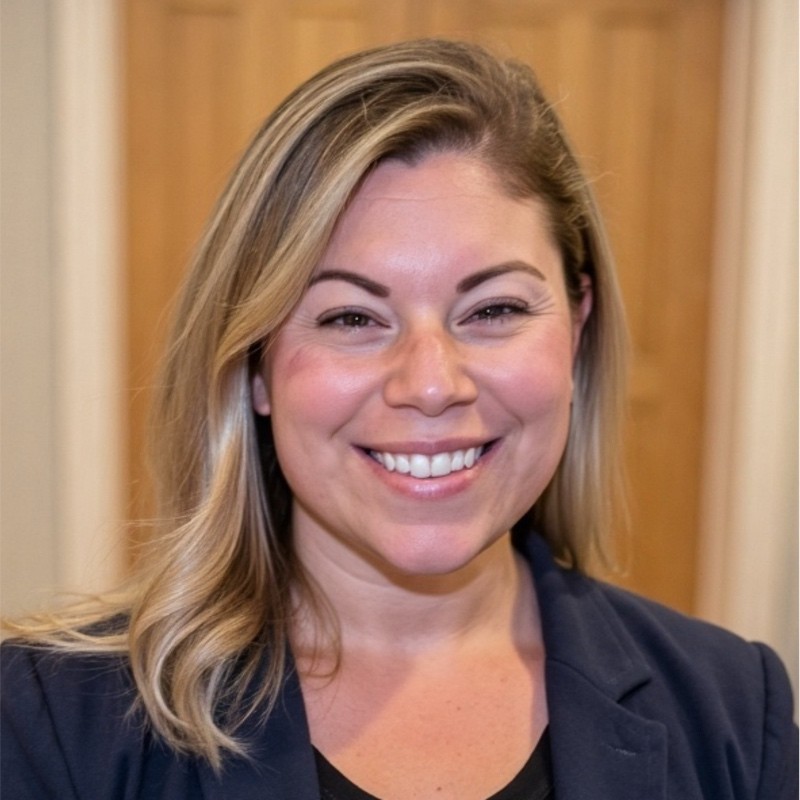
CNS provides complete DOT SAP management, with our Certified SAP, Melissa Irwin.
SAPs assess employees who have violated a DOT drug and alcohol program regulation and make referrals for the below items prior to that individual being able to return to safety-sensitive functions.
- education
- treatment
- follow-up testing
- rehabilitation
DOT SAP Program
Frequently Asked Questions (FAQs)
The DOT SAP program is a federally required process for CDL drivers who have violated DOT drug or alcohol regulations. It ensures drivers complete evaluation, education or treatment, and follow-up testing before returning to safety-sensitive work.
The SAP process is triggered by:
A positive DOT drug test
A positive alcohol test
A refusal to test
Certain violations reported to the FMCSA Clearinghouse
Yes. If a CDL driver wants to return to DOT-regulated safety-sensitive work, they must complete the DOT SAP return-to-duty process and follow-up testing requirements.
You can begin the initial SAP evaluation without being employed. However, return-to-duty testing and follow-up testing can only occur when you are employed or operating as an owner-operator in a safety-sensitive role.
Yes. Being terminated does not stop you from completing the SAP process. You can continue working through the steps and seek employment with another carrier once eligible.
No. Follow-up testing requires active safety-sensitive employment. A C/TPA cannot act as an employer unless you are a self-employed owner-operator.
Yes. Owner-operators can use a Consortium/Third-Party Administrator (C/TPA) to manage their SAP process and follow-up testing schedule.
DOT requires employment because:
DOT has jurisdiction only over safety-sensitive work
Follow-up tests must be unannounced
Testing must occur while performing regulated duties
This structure makes follow-up testing an effective deterrent.
The return-to-duty process includes:
Removal from safety-sensitive work
Initial SAP evaluation
Completion of education or treatment
Second SAP evaluation
A negative observed return-to-duty drug test
Only then can a driver return to safety-sensitive duties.
The timeline varies. The return-to-duty phase may take weeks or months, depending on treatment requirements. Follow-up testing lasts a minimum of 12 months and can extend up to 5 years.
