
DOT Driver Services

Hiring a Driver is the first step

Our DOT Driver Services help trucking companies and motor carriers take the next steps after hiring a driver, including Drug and Alcohol Testing, DOT Physicals, Driver File Management, Driver Training, and so on. All with a goal to stay compliant as you grow your trucking business.

DOT Driver Services

Confused about the steps to stay DOT Compliant?

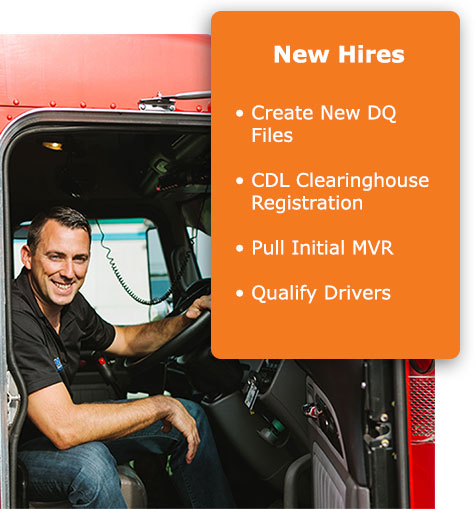
Meeting FMCSA requirements while hiring CDL and CMV drivers is crucial to compliance. From creating new DQ files, to getting registered in the CDL clearinghouse, to pulling initial MVRs and pre-employment drug tests. 

Learn more >>>

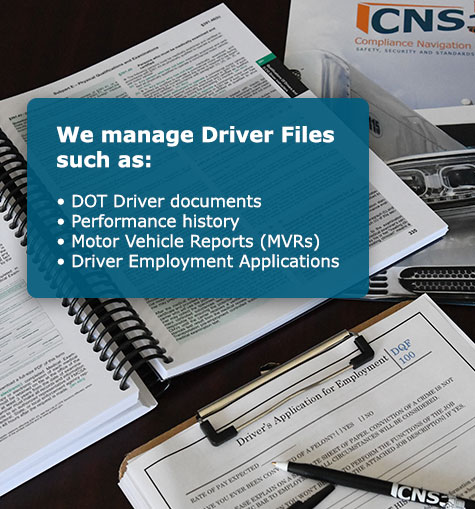
Driver File management consists of maintaining all of your DOT driver documents, including but not limited to performance history, motor vehicle reports (MVR) and driver employment applications.

Learn more >>>

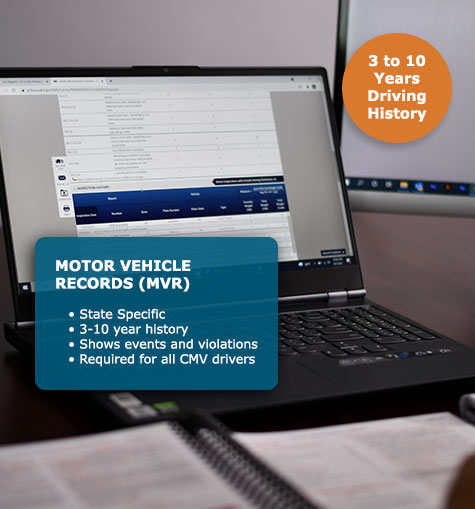
A Motor Vehicle Record is a state-specific document that shows your driving history within that particular state over a period of time.

Learn more >>>

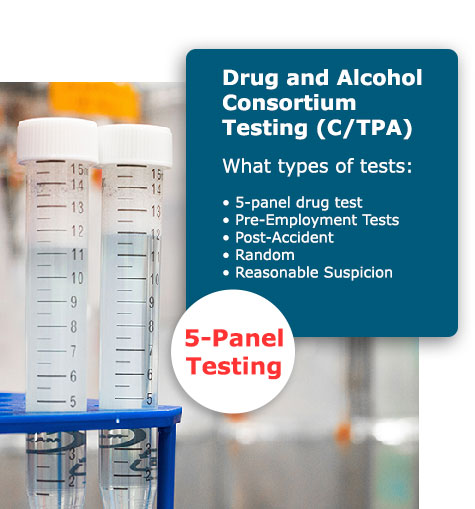
Our comprehensive Drug & Alcohol Consortium Administration Services (C/TPA) is available for companies that are regulated by Federal and State governments. Certain categories and specifics result in your company being regulated by the Department of Transportation (DOT).

Learn more >>>

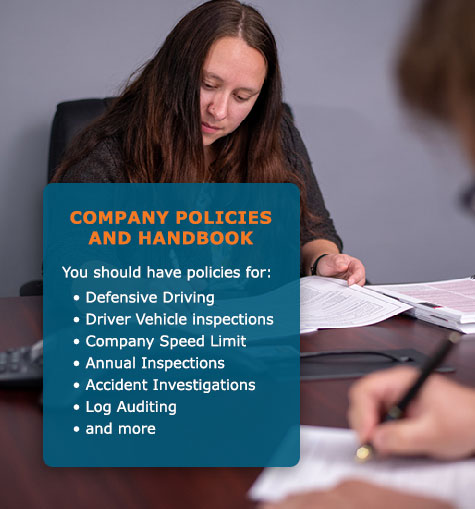
FMCSA requires certain policies and procedures to be distributed and trained to employees.  When regulations change so must company policies and handbooks. 

Learn more >>>

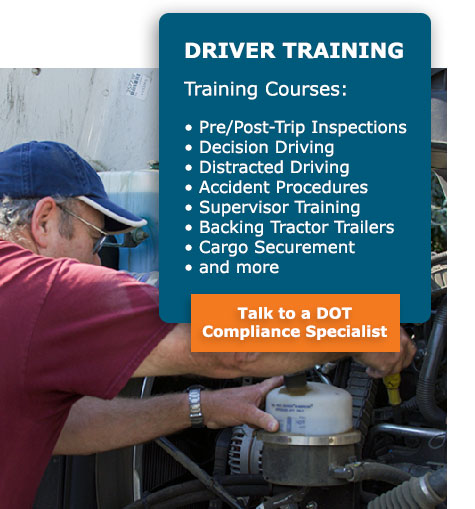
Some of the biggest costs associated with operating as a motor carrier are your drivers, equipment, and insurance costs.  Investing in training for your drivers is money in the bank when it comes to reducing these costs.

Learn more >>>

All motor carriers with vehicles that are set up with the International Fuel Tax Agreement are subject to a DOT Audit by the IRS every 5 years including inspection of relative fuel receipts, mileage and trip sheets.

Learn more >>>

DOT Driver Services

Confused about the steps to stay DOT Compliant?

Meeting FMCSA requirements while hiring CDL and CMV drivers is crucial to compliance. From creating new DQ files, to getting registered in the CDL clearinghouse, to pulling initial MVRs and pre-employment drug tests. 

Learn more >>>

Driver File management consists of maintaining all of your DOT driver documents, including but not limited to performance history, motor vehicle reports (MVR) and driver employment applications.

Learn more >>>

A Motor Vehicle Record is a state-specific document that shows your driving history within that particular state over a period of time.

Learn more >>>

Our comprehensive Drug & Alcohol Consortium Administration Services (C/TPA) is available for companies that are regulated by Federal and State governments. Certain categories and specifics result in your company being regulated by the Department of Transportation (DOT).

Learn more >>>

FMCSA requires certain policies and procedures to be distributed and trained to employees.  When regulations change so must company policies and handbooks. 

Learn more >>>

Some of the biggest costs associated with operating as a motor carrier are your drivers, equipment, and insurance costs.  Investing in training for your drivers is money in the bank when it comes to reducing these costs.

Learn more >>>

All motor carriers with vehicles that are set up with the International Fuel Tax Agreement are subject to a DOT Audit by the IRS every 5 years including inspection of relative fuel receipts, mileage and trip sheets.

Learn more >>>

Frequently Asked Questions (FAQs)

A Driver Qualification File (DQF) is the driver’s required personnel file under 49 CFR Part 391 and must be maintained for anyone operating a Commercial Motor Vehicle (CMV)—including owners, mechanics moving vehicles, part-time drivers, and temporary drivers. Failure to maintain DQFs is one of the most common DOT audit violations.

A compliant DQF typically includes: a driver application, MVRs from all states licensed in the past three years, CDL copy, medical examiner’s certificate, road test or equivalent, previous employer verification, annual MVR and annual review, certificate of violations, ELDT documentation (if applicable), and drug and alcohol testing records when required.

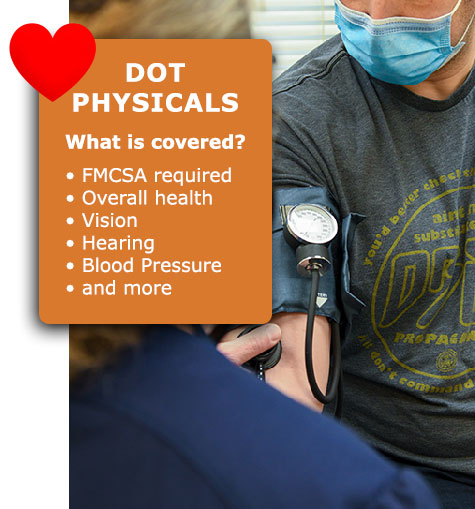
Most DOT medical certificates must be renewed every 24 months, though some drivers may require shorter certification periods based on medical conditions. CNS helps coordinate DOT physicals and ensures medical certificates and related MVR updates are placed in the DQF on time.

A DOT Drug and Alcohol Consortium is required for owner-operators and employers who do not have enough drivers to run their own random testing pool. CNS is a certified consortium/third-party administrator (C/TPA) and manages Clearinghouse compliance, random selections, testing records, and audit support.

The DOT Substance Abuse Professional (SAP) program is required when a driver violates DOT drug or alcohol regulations. CNS coordinates the full SAP-to-return-to-duty (RTD) process, including evaluations, treatment plans, follow-up testing schedules, and employer documentation to ensure compliance and a safe return to work.

The DOT SAP process includes an initial evaluation with a qualified SAP, completion of recommended education or treatment, a return-to-duty drug test, and a follow-up testing plan. You cannot return to DOT driving until every step is completed correctly.

Start the DOT SAP Process with CNS

Auditors most often cite missing or expired medical cards, missing initial or annual MVRs, incomplete previous employer verification, missing annual reviews or certificates of violations, and incomplete drug and alcohol documentation. CNS helps carriers identify and correct these issues before they become violations.

Complete and well-maintained DQFs help defend against negligent hiring and retention claims by proving the carrier verified qualifications, medical fitness, training, and driving history. In litigation, driver files are often scrutinized to determine fault, liability, and punitive damages exposure.

Yes. Owner-operators and drivers without an employer-managed testing pool must be enrolled in a DOT Drug & Alcohol Consortium to meet random testing requirements and Clearinghouse compliance.

Join CNS Drug & Alcohol Consortium (C/TPA)

Your MVR shows your driving history, violations, suspensions, and endorsements. Drivers should review it annually. Errors can affect job eligibility and insurance rates, and some mistakes can be challenged or corrected.

MVR Monitoring & Driver Record Reviews

Only need a few PSM® services?

Check out our Custom PSM® Program

Bundle the services that matter most to your operation
—without paying for each one a la carte.

Driver Training

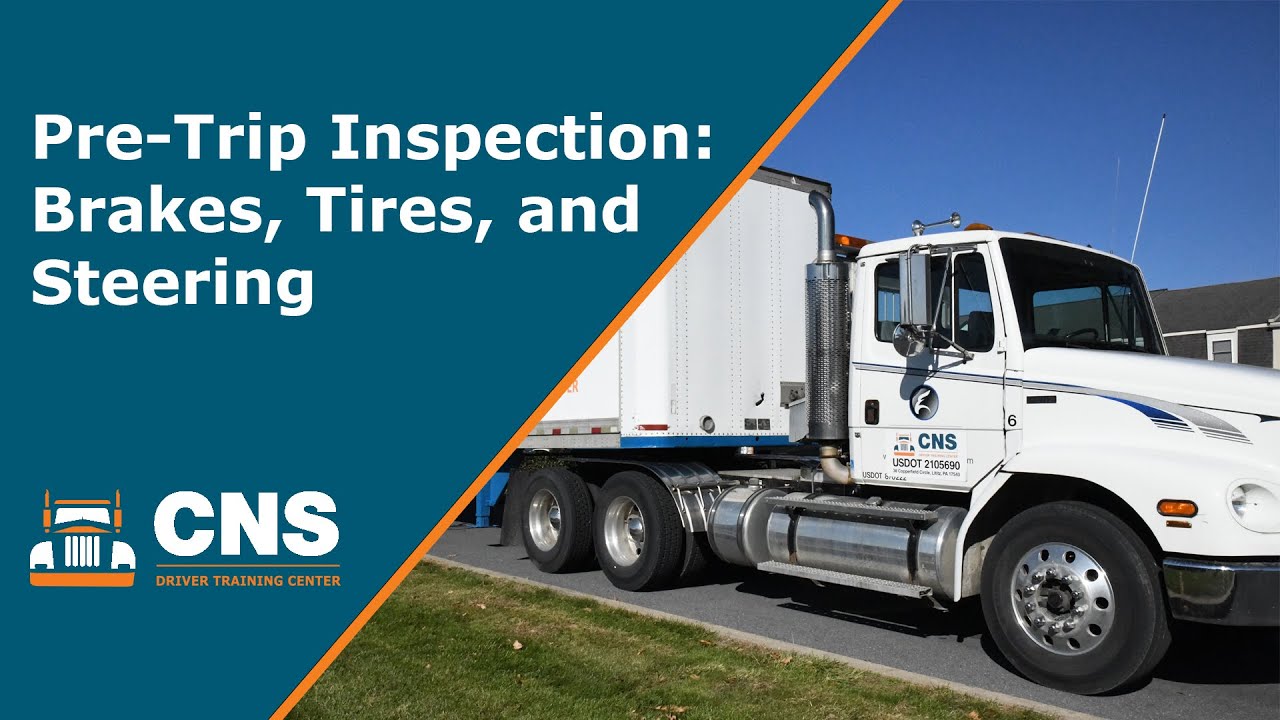
Pre-Trip Inspections: Brakes, Tires, Steering

Pre-Trip Inspections are extermely important in the field, so understanding them as a new driver is even more important when obtaining your Class A CDL. You need to understand the braking system, the steering system, wheels and tires, etc. 

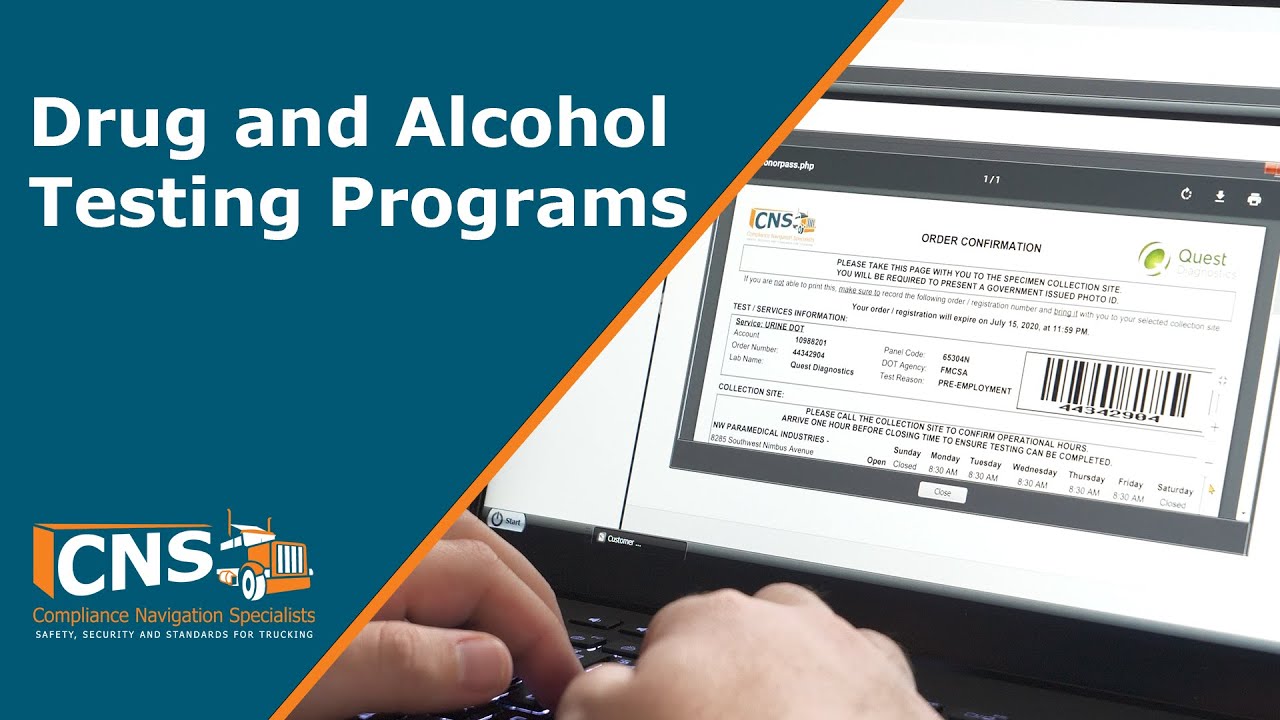
Drug and Alcohol Testing Programs

Does the DOT require you to be tested for Drugs and Alcohol?

Our comprehensive Drug & Alcohol Consortium Administration Services (C/TPA) is available for companies that are regulated by Federal and State governments. If you fall into certain categories, the Department of Transportation (DOT) requires you to be a part of a Drug and Alcohol Testing Program or Consortium.

DOT Drug and Alcohol Testing Programs | DOT Driver Services | CNS

DOT Compliance and Licensing Services

If you are ready to get started or would just like more information on how you can start being more proactive with your compliance, please fill out the form below. We are here to help and answer any questions.

Related News for you